Disclaimer 1: Hello and welcome back! I. Am. Sick! Part of the bullshit I’m dealing with is that it sucks to stare at screens. Thus, here’s a back-up post I was saving for another time.
Disclaimer 2: Also, yeah, that means this also isn’t the post I had planned about “the hot new game,” but I’ve also decided I don’t want to finish that post. Spoilers: It was about how Marvel Rivals seems to have a lot of AI writing in it. Ultimately, A) I wasn’t 100% sure that was true and I have neither the time nor the means to find out for sure, B) the ultimate lesson of the post was, “Maybe don’t buy skins in that game?” but that ship has already sailed, and C) it was just going to be a bummer of a post and everything is already a fucking bummer, so I’d rather spare all of us. In its place, please enjoy this post about a game that had awesome writing.
2024 was definitely a year of surprises. Pretty much everything I expected to love disappointed me, and things I had zero faith in blew me away.
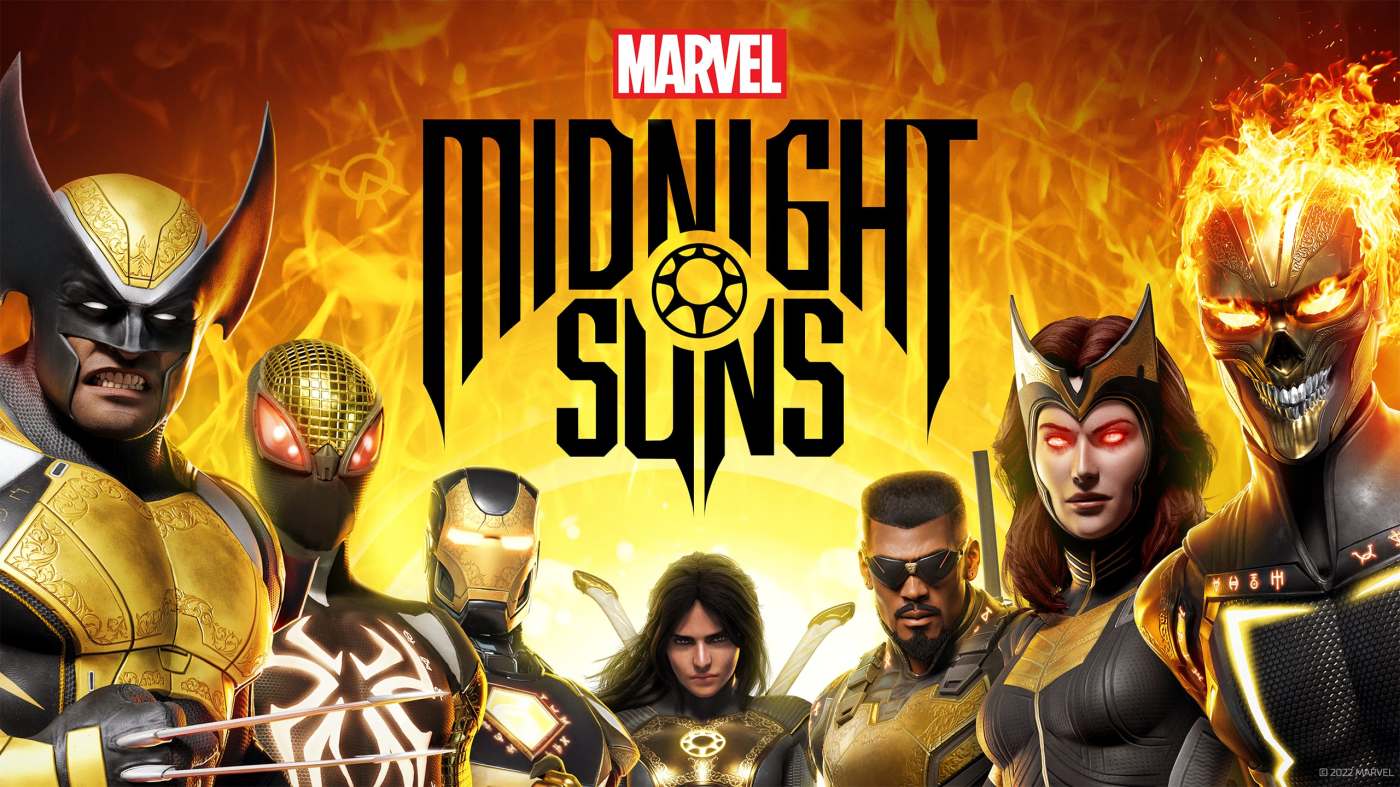
Like Marvel’s Midnight Suns.
Do you remember that game? It came out, got buzz for maybe 2, 3 days, and then completely fell off the radar. That, of course, made me think it was probably awful; after all, it seemed to part of the Marvel’s Avengers era of video games, where the licensing hadn’t quite been figured out yet.
I was incredibly shocked though when I played it on a whim and discovered it wasn’t just a good game–it was a Game for Writers.
They Went All-In on Interpersonal Relationships
I’m not gonna lie and say Midnight Suns was perfect–it really wasn’t.
But, for the most part, it does an amazing job of pulling you into its world and providing a distinctly personal, unique storytelling experience.
Because a solid 60% of the gameplay loop is just… talking.
It’s still bizarre to say that, but seriously, so much of the gameplay is directly invested in you getting to know the heroes you’re teamed up with. It achieves this by having you create a gameworld-exclusive, customizable main character, the Hunter, and then letting you loose as that character in your home base. Wanna talk to Tony Stark? He’s over in the forge. Wanna go practice fighting with Blade? He’s out in the yard.
These interactions can sometimes be game-ified, don’t get me wrong, but the game still presents a surprising amount of interactivity, similar to (but honestly not as in-depth as) Hades. Bringing certain heroes on missions with you will yield unique bits of dialogue for you when you encounter them later, back at base.
But the real strength is in the tons of emotional, realistic reactions you get after every story mission. It’s not a simple, inelegant ‘Mission Cleared’ > load back into base > characters say stock dialogue at you as you fiddle with stats and weapons > you start the next mission and everyone’s talking-talking again. No, you finish a mission, get back to base, and some of the heroes want to hang out. Or, very often, they want to talk about what just happened on the last mission and how glad/worried they are things will get worse. You wind up learning everyone’s social tendencies, personal insecurities, likes and dislikes. It’s wild.
It’s Also Surprisingly Non-Standard “Marvel”
Also, these interactions aren’t as cookie cutter as you might think. You would expect for a conversation with Spider-Man to be incredibly predictable, but enough emphasis was put on making these characters feel real and unique that even I, as a fan of Spider-Man, was truly thrown by Firaxis’ version of him. I was waiting for “quippy jokester reminding everyone to do what’s right at all times,” but I got “nervous kid who keeps trying to impress me.” I had to get to know him all over again.
For me, the wildest curve ball was Logan. I was expecting “gruff, loner murder-hobo.” But I got “warm, confident, playful” Logan? Less angsty bruiser, more “nice, self-assured dude” who was surprisingly flirty with my Hunter.
But weirder and even more surprising is the way these characters engage with you. On top of the ones who want to hang out after your missions, some characters create dedicated clubs for you to participate in if you want to. And after you chill with them at night, you go to bed and wake up to your phone blowing up with news articles, social media posts, and sometimes direct texts–from them.
And that last part–waking up and seeing notifications on your phone–really drives home why the game’s interpersonal-relationships-hook hits so well.
It Starts to Feel So Real
You get back to base, glad you that last mission panned out–especially after getting so dicey. You change and then you see Blade standing outside your door. He reminds you that tonight’s book club.
“You comin’?”
Good question. You read the book in the base’s library two in-game days ago, which means you read it days and days ago IRL, the last time you played. Do you even remember what it was about?
“Sure,” you say and you’re suddenly in the library with him, Captain Marvel, and the other heroes in book club. You take a moment to talk to the others for a refresher on the book, or maybe you sneak another peek before the meeting starts. Either way, you remember, “Oh, right. It’s that fucking Sci-Fi book Logan picked out.”
You realize that’s a thought you never thought you’d have.
You all sit down and instead of it being a simple, game-y cutscene with quick time events, you have an actual book club meeting, where Logan vaguely explains why he picked a 50’s Sci-Fi novel, and everyone else in the club talks about how silly or fun they thought it was.
Blade tells you afterward that he actually hated it, but he didn’t want to say so and look like a jerk and–holy shit, why is any of this as realistic as it is?? Why did you actually get butterflies and think, I don’t want to say the wrong thing here, when the conversation turned to you?
The short answer is: the interpersonal relationships in Midnight Suns are just that well done.
The long answer is: those relationships are tied to gameplay and you get unique, in-game rewards for getting invested in them. And, even if you aren’t invested immediately, you’re bound to meet someone on the team who you like, and then you get invested in just being their friend. It’s really genius, because once that one person becomes your friend, you open up to the rest like, “Well, what’s this guy’s deal?” Then, tens of hours later, even if you don’t like said guy, you still warm to them because you’re all fighting against the end of the world together. It’s so endearing.
Seriously, I have a friend who’s on the edgier side and he didn’t finish Midnight Suns because, “I got max level friendship with my favorites and realized the game was ending. I just didn’t want to say goodbye.”
Me: “Ah, yeah. Just imagining them starting to repeat filler dialogue?”
Him: “Yeah, exactly. I never wanted to hear them do that. Would’ve felt like losing my friends.”
The only touch that’s missing is an in-game camera system; there are empty frames all over the base that you can fill with paintings you find around the grounds or custom comicbook covers you can make. I would not be surprised if the frames were originally meant to house selfies you could take with yourself and other heroes. And, seriously, if that had been in the game, I would absolutely have a selfie of my Hunter with Nico, Carol, Wanda, Stephen, Logan and probably everyone else printed out, in a real-life picture frame, in my bedroom. I actually miss chatting with Nico about movies and joking around with Carol. And I have to be real: I miss Doctor Strange even though I hated him when I first started playing.
Final Thought: It’s also an Amazing ‘Endgame’ Simulator
Midnight Suns might not have absolutely perfect gameplay–people had gripes with the card-based combat, and even though it didn’t bother me at first, I ultimately understood why (a system that added random upgrades to duplicates of cards you already have really, really took the wind out of my deckbuilding sails)–but it is, by far, the best “endgame” simulator you’ll ever play. If you want the experience of living the final seasons of Buffy, the last book of Harry Potter, or the weirdly cozy plan-making phase of Avengers: Endgame–the experience of being in a last bastion of hope, fighting against impossible odds with heroes who are also your best friends–then Midnight Suns is absolutely the best place to get that experience.
An experience, that I have to add, feels invaluable for writers. I’ve talked about how bad experiences–like breaking your arm or being in a gas station while it’s robbed at gunpoint–help writers by expanding our mental portfolio, giving us visceral memories we can call on to make our work more realistic and engrossing. Well, you’re not gonna get the last-bastion-against-literal-demons experience anywhere else.
Just be warned: Midnight Suns is a time investment. Maybe pick it up on a sale if any of this sounds intriguing to you, but be aware that it is on Elden Ring’s level of “There’s seriously more game??” I asked myself that three separate times while playing it.
Oh, and be warned again: I did not play it with any of the DLC. I knew a guy who did and he got exhausted with how much content there was (and particularly with how annoying Firaxis made Deadpool)–so be double-warned.
If you do pick it up though, I hope you enjoy it.
Coming up…
I’ve got a new writing tool coming out next week. Not a flashy one, but one that I’ve used to side step writer’s block for years now. Stay tuned.
If you’d like to check out some of my fiction…
“Aixa the Hexcaster” was published at Mirror Dance Fantasy in 2016: http://www.mirrordancefantasy.com/2016/09/aixa-hexcaster.html.
“A Facet of That Faceless Death” is available to read, for free, on this site: https://louissantiago-author.com/short-fiction/a-facet-of-that-faceless-death/. However, it was initially performed on the NoSleep Podcast in 2024 (be advised, my story is one of the two on the pay-walled, members-only section of the episode; to hear it, you would have to get a $5 membership to NoSleep): https://www.thenosleeppodcast.com/episodes/s21/21×11.
Until next time, take care, and don’t starve yourself. Seriously, if you’re hungry, just eat.
 Inktrap
Leave a comment